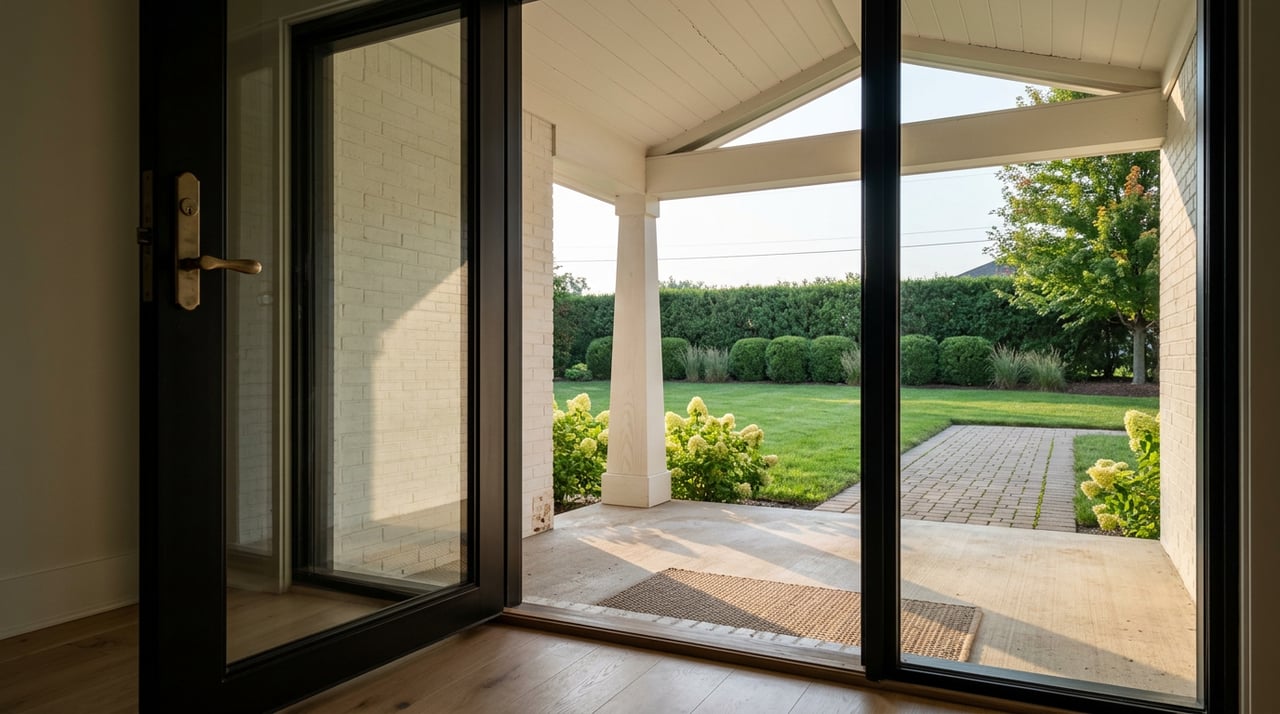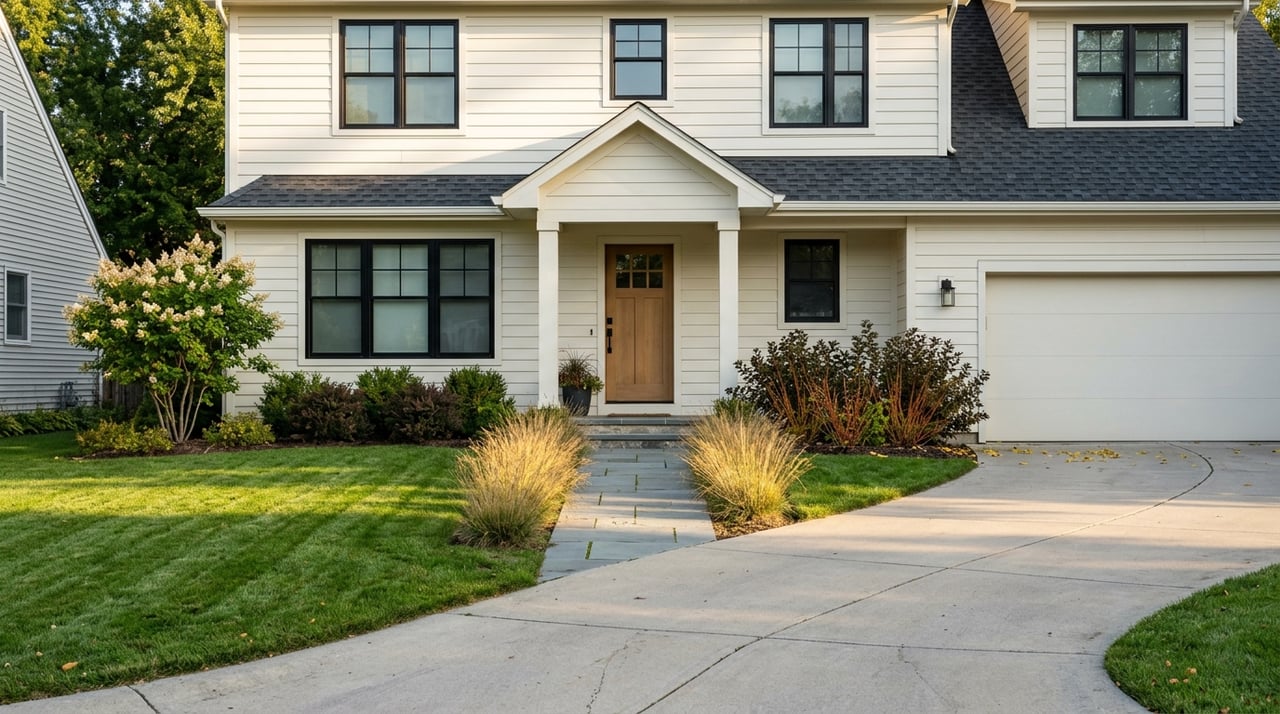
If you are house hunting in Appleton from across town or across the country, virtual home tours can save you serious time. They help you narrow your options, compare layouts, and spot early red flags before you ever step through the front door. If you know what each type of tour can and cannot tell you, you can make smarter decisions with more confidence. Let’s dive in.
Why virtual tours matter for Appleton buyers
Virtual tours are now a normal part of the home search process. Research from NAR shows that nearly all home buyers use technology during their search, and 88% of buyers used a real estate agent or broker in 2024.
That does not mean virtual tours replace seeing a home in person. Zillow’s 2024 survey found that 70% of buyers said 3D tours help them get a better feel for a space than static photos, but only 23% felt very or extremely confident making an offer based only on a 360 or virtual tour. Just 4% made a completely unseen offer.
For most buyers, that makes virtual touring a first-pass filter. It is a smart way to cut down your list, focus on the homes that truly fit, and prepare for a stronger in-person visit when the time is right.
How virtual home tours work
Not all virtual tours are the same. Some are interactive, while others are better for a quick preview. Knowing the difference helps you use each format the right way.
Live video walkthroughs
A live video walkthrough is usually the closest remote option to being there in person. During the tour, you can ask questions in real time and have the person filming pause, pan, or zoom in on details that matter to you.
This format works well when you want a more honest feel for the home beyond polished listing photos. You can ask to see corners of rooms, inside closets, ceiling lines, window areas, or the view from a specific room.
Pre-recorded video walkthroughs
A pre-recorded walkthrough gives you a quick look at the home’s overall layout, finishes, and flow. It is convenient because you can watch it anytime and revisit it later as you compare homes.
The tradeoff is that it is not interactive. If the video skips over a basement wall, appliance, or storage space, you cannot ask follow-up questions in the moment.
3D tours and floor plans
3D tours let you move through the home at your own pace. They often include 360-degree views of each room, which can make it easier to understand how spaces connect.
When a 3D tour includes an interactive floor plan, it becomes even more useful. You can get a better sense of room placement, traffic flow, and whether the layout fits your daily routine.
What virtual tours can help you judge
A good virtual tour can tell you a lot before you schedule a showing. It is especially helpful if you are relocating to Appleton or trying to be efficient in a fast-moving market.
Here are a few things virtual tours are good at helping you evaluate:
- General layout and room flow
- Room count and how spaces connect
- Natural light and window placement
- Cabinet, counter, and finish style
- Whether the home feels open, segmented, or compact
- Basic storage areas that are clearly shown
- Exterior features visible on camera
This is where virtual tours shine. They help you decide, “Should I keep this home on my list?” before you invest more time.
What virtual tours often miss
Even a strong video or 3D tour has limits. Cameras can flatten room size, miss odors, soften noise, and skip over small condition issues.
That is why many buyers still rely on in-person visits before making a final decision. Zillow reports that 80% of buyers agreed the only way to understand a home’s layout is to see it in person.
Here is what can be harder to judge remotely:
- True room scale
- Smells and air quality concerns
- Street noise or nearby sound
- Small cracks, stains, or wear
- How windows and doors operate
- Basement or foundation details
- The feel of the exterior lot and surroundings
If you are serious about a home, think of the virtual tour as a screening tool, not the whole story.
What to look for during a virtual tour
When you watch a virtual tour, it helps to be more active than passive. Instead of just taking in the home as a whole, look for details that affect function, maintenance, and comfort.
Zillow’s tour guidance suggests paying attention to signs of damage, pests, appliance condition, storage, floor plan flow, room size, exterior condition, windows, roof condition, odors, noise, and the overall fit of the area.
Your virtual tour checklist
Use this checklist as you watch:
- Look for stains on ceilings or walls
- Check whether rooms feel connected in a practical way
- Notice storage space, including closets and pantry areas
- Watch for signs of exterior wear
- Look closely at windows and doors
- Ask about the age or condition of appliances if unclear
- Pay attention to basement areas if shown
- Note anything that seems dated, patched, or unfinished
You do not need to diagnose every issue on screen. You just want to spot questions worth following up on.
Smart follow-up questions to ask
The first virtual tour should rarely be your only look. If something is unclear, ask for another video pass or request close-ups of specific areas.
This is especially helpful for Appleton buyers who are relocating and may need to make decisions on a tighter timeline. A second look can often give you the clarity you did not get the first time.
Ask to see these areas again
- Ceiling or wall spots that look stained or repaired
- Closet depth and storage space
- Windows, sills, and door frames
- Exterior siding, rooflines, and drainage areas
- Basement or foundation walls
- Water heater, furnace, and major appliances
- Fixtures or finishes that appear worn or older
Clear follow-up questions can make a remote search feel much more manageable. They also help you separate normal cosmetic issues from details that deserve closer review.
Appleton-specific tools that help remote buyers
If you are buying in Appleton, virtual tours work best when you pair them with local due diligence. The City of Appleton GIS tools and Outagamie County parcel mapping can help you understand context beyond the listing itself.
These resources can support your research on lot location, nearby conditions, floodplain context, and transit access. Appleton’s GIS site also notes that its data is provided without warranty, so it should support your decision-making, not replace disclosures or inspections.
Useful local checks before you move forward
Before you get too far into the process, consider verifying:
- Parcel and lot context
- Floodplain status through local mapping tools
- Nearby road or construction conditions
- Transit routes and timetables
- General area context around the property
For relocation buyers, this step can be especially valuable. It gives you a broader picture of the property beyond what the camera shows.
Why disclosures matter in Wisconsin
For many Wisconsin residential properties with one-to-four dwelling units, state law requires a Real Estate Condition Report, with limited exemptions. That report covers conditions affecting the property or transaction, including roof, basement or foundation, electrical, plumbing, HVAC, smoke and carbon monoxide detectors, fixtures, radon, lead, mold, asbestos, wells, and other hazards.
The form language also states that the report must generally be furnished within 10 days after acceptance. For remote buyers, this report acts like a written companion to the virtual tour.
Radon is worth special attention
Wisconsin DHS recommends testing for radon during real estate transactions, preferably in the basement or lowest livable level. It also says sellers must inform buyers of any known unsafe radon levels.
The EPA mitigation threshold referenced by Wisconsin DHS is 4 pCi/L or greater. If you are buying remotely, asking about radon testing early can help you avoid surprises later.
Why in-person tours still matter
Virtual tours can do a lot, but they cannot fully recreate how a home feels. Sound, smell, texture, and true room scale are still easier to understand when you are physically there.
Private tours also let you inspect details more closely, test appliances, and experience the property in a way a camera often misses. If you are making a major financial decision, that extra confidence matters.
For many Appleton buyers, the best approach is a hybrid one. Use virtual tours to narrow the field, then visit the strongest options in person before moving to final decisions whenever possible.
How a local buyer’s agent helps
If you are buying from a distance, a local point person can fill in the gaps that virtual tours leave behind. In Wisconsin, a buyer who signs a buyer agency agreement can receive client-level advice, including offer guidance and negotiation recommendations.
Wisconsin DSPS also says licensees must disclose materially adverse facts they know and conduct a reasonably competent and diligent inspection of accessible areas, then ask the seller about condition. That local support can be especially helpful when you are trying to judge a home remotely.
A calm, informed buyer’s agent can help you:
- Narrow your list with better strategy
- Ask sharper follow-up questions
- Understand what deserves concern and what may not
- Review disclosures with context
- Decide when a home is worth an in-person trip
- Move forward with more clarity if timing is tight
A smart way to use virtual tours in Appleton
The most effective way to use virtual tours is simple: treat them like a decision-making tool, not a shortcut. They can save time, reduce overwhelm, and make your search more focused, especially if you are relocating to Appleton or balancing a busy schedule.
When you combine virtual tours with local research, disclosure review, and thoughtful guidance, you can make confident moves without feeling rushed. That kind of process is not about seeing less. It is about seeing the right things in the right order.
If you are planning a move in Appleton or the Fox Cities and want steady guidance through virtual tours, in-person showings, and next steps, Amanda Bogenschutz is here to help.
FAQs
How do virtual home tours work for Appleton buyers?
- Virtual home tours usually happen as live video walkthroughs, pre-recorded videos, or interactive 3D tours. They help you narrow your list, understand layout, and identify questions before scheduling an in-person visit.
Can you make an offer on an Appleton home after only a virtual tour?
- Sometimes, yes, but most buyers are more comfortable after seeing the home in person. Zillow’s 2024 survey found that only 23% of buyers were very or extremely confident making an offer based only on a virtual or 360 tour, and just 4% made a completely unseen offer.
What should Appleton buyers ask to see again after a virtual tour?
- Ask for another look at any area that was unclear, including ceiling stains, storage spaces, windows, doors, exterior wear, basement or foundation areas, and older appliances or fixtures.
What should remote buyers verify outside the Appleton listing?
- Use local Appleton and Outagamie County mapping tools to check parcel context, floodplain status, transit access, and nearby conditions, then review the Wisconsin condition report and radon information before making a final decision.
Why do in-person tours still matter for Appleton home buyers?
- In-person tours help you judge layout, noise, smell, room scale, and condition details more accurately. They also give you a better feel for the property than a camera can provide.