Thinking about buying a duplex or small multifamily property in Appleton? You are not alone. For many buyers, these properties can open the door to flexible living, potential rental income, and a different path into homeownership, but they also come with a few extra layers to understand. If you want a clearer picture of what to expect in Appleton, this guide will walk you through the local landscape, financing basics, and the due diligence that matters most. Let’s dive in.
Appleton’s Small Multifamily Market
In Appleton, duplexes and other small multifamily properties sit in a real but relatively modest niche. The city’s housing assessment shows that detached single-family homes still make up the majority of the housing stock, while about 6% of existing homes fall into the missing-middle category, including duplexes, townhomes, and other 2-4 unit properties.
That matters because it helps explain why duplexes, triplexes, and fourplexes can feel harder to find than a typical single-family home. Appleton’s housing assessment also points to a broader supply gap of 2,114 units, with 328 units in the pipeline, so smaller multifamily options remain part of the city’s long-term housing conversation.
Appleton also has an older housing stock overall. According to the city’s assessment, 64% of homes were built before 1970, the owner-occupancy rate is 67%, and the vacancy rate is 3.5%. For you as a buyer, that means many small multifamily opportunities may be older properties where condition, maintenance history, and legal use need close review.
What Counts as a Small Multifamily Property?
In most buyer conversations, small multifamily usually means a property with 2-4 units. That can include a duplex, triplex, or fourplex, and it matches the way lenders and city planning documents commonly group these homes.
This category matters because 2-4 unit properties often follow different financing, zoning, and repair considerations than a single-family home. If you are planning to live in one unit and rent out the others, those details become even more important early in the process.
Common options you may see
Depending on what is available in Appleton, your search may include:
- Duplexes
- Triplexes
- Fourplexes
- Townhome-style properties with 2-4 attached units
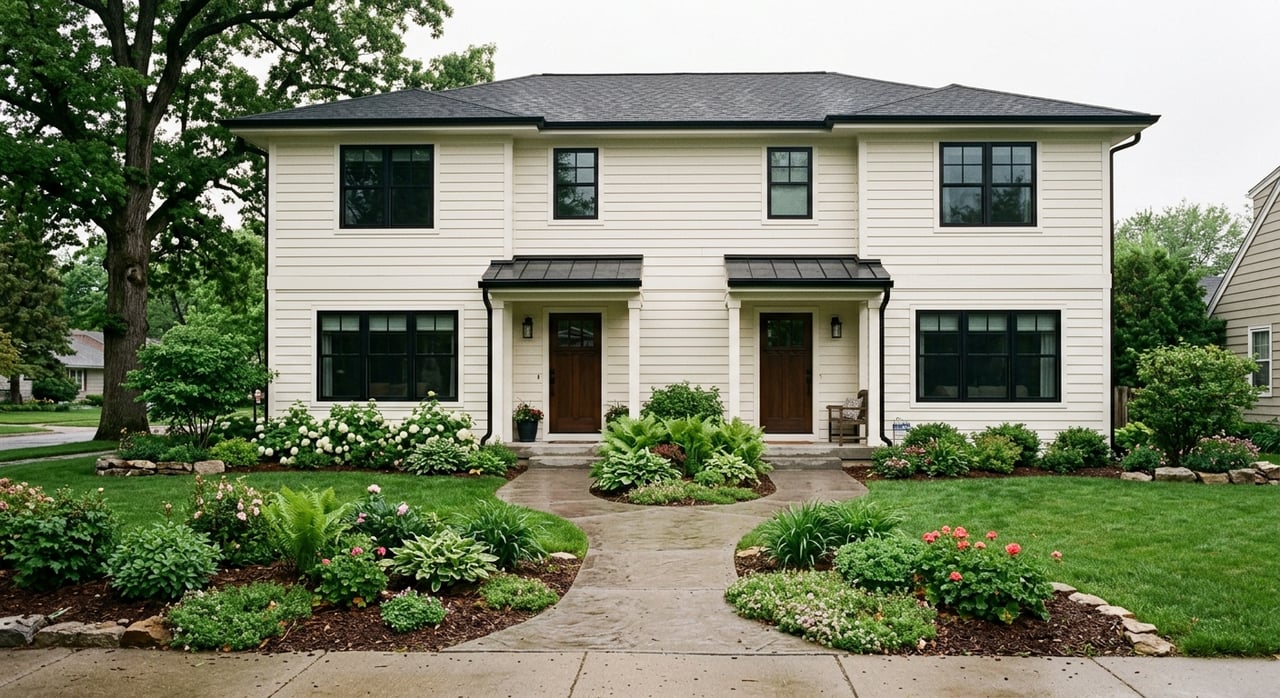
Some properties may look like a duplex or appear to function like one, but appearance alone is not enough. In Appleton, legal use depends on the specific parcel and applicable zoning rules.
Why Duplexes Appeal to Appleton Buyers
For many buyers, a duplex can offer a mix of homeownership and flexibility. You may be able to live in one unit while using the other unit for rental income, or you may want extra space for a changing life situation while still buying a property with more than one unit.
For first-time buyers especially, this kind of setup can feel appealing because it offers more than one way to make the numbers work. It can also be a practical option if you want to start with a primary residence that has income potential built in.
That said, duplex ownership is not passive. Even a well-maintained property often brings more moving parts than a single-family home, especially when repairs, permits, and lender requirements overlap.
Zoning Should Be Your First Check
One of the biggest mistakes buyers can make is assuming a property is legally configured the way it looks. Appleton’s parcel viewer directs users to Chapter 23 zoning, which means whether a building can legally function as a duplex or triplex depends on the individual lot and zoning, not just the layout or how the property has been used in the past.
That is why zoning verification should be one of your first due diligence steps. Before writing an offer, planning updates, or thinking about converting space, you will want to confirm how the property is currently classified and what uses are allowed.
Questions worth asking early
- Is the property legally recognized as a 2-unit, 3-unit, or 4-unit building?
- Does the current use match city records?
- If you want to reconfigure space, is that allowed on this parcel?
- Are there permit requirements tied to the work you are considering?
This early clarity can save you time, money, and stress later.
Financing Options for Owner-Occupants
If you plan to live in one of the units, you may have several financing paths available. The best fit depends on your finances, eligibility, and lender guidelines, but owner-occupant financing can make a small multifamily purchase more realistic than many buyers expect.
FHA financing
HUD says FHA loans can be used for 1-4 unit properties, and the down payment can be as low as 3.5%. For buyers who want to live in one unit, this can be one of the more approachable paths into a duplex or other small multifamily purchase.
Conventional financing
Eligible conventional programs may also work. Current program summaries for Fannie Mae HomeReady and Freddie Mac Home Possible include 2-4 unit principal residences, with a 3% borrower contribution for eligible loans above 80% loan-to-value.
If you use a conventional loan and put less than 20% down, you should also expect mortgage insurance in many cases. Freddie Mac notes that PMI is generally required below 20% equity.
VA-backed loans
If you qualify for VA financing, a VA-backed purchase loan can finance a home with up to 4 units when you will live in the property. VA also states that these loans can have no down payment as long as the sales price does not exceed the appraised value.
Using rental income to qualify
One reason buyers explore duplexes and fourplexes is the possibility of using rent from the other unit or units to help qualify. Fannie Mae allows rental income from a subject 2-4 unit primary residence in qualifying when guide requirements are met, and Freddie Mac also allows rental income from a 2-4 unit primary residence under its guidelines.
This is where good lender conversations matter. Not every financing scenario works the same way, and documentation requirements can vary.
Older Appleton Properties Need Extra Review
Because so much of Appleton’s housing stock predates 1970, many duplex and multifamily options may come with age-related issues that deserve a careful look. Older buildings can still be strong opportunities, but they often ask more from your inspection and planning process.
If the property was built before 1978, lead-based paint is an important consideration. EPA says most pre-1978 private housing is subject to the federal Lead-Based Paint Disclosure Rule, and renovation or repair in pre-1978 housing can create lead dust that requires lead-safe practices from certified contractors.
Plumbing and water service may also need attention in older properties. EPA notes that lead can enter drinking water from plumbing materials and service lines, so inspection findings in this area can affect your repair planning and budget.
Lenders may also get involved if condition issues are significant. In some cases, major concerns such as roof condition can lead to required repairs before closing.
What to review in an older duplex
- Roof age and condition
- Foundation and structural concerns
- Plumbing materials and water service issues
- Electrical updates
- Heating system condition
- Window and insulation performance
- Lead paint disclosure and renovation considerations for pre-1978 homes
Newer Multifamily Homes Still Need Due Diligence
A newer duplex or fourplex may offer peace of mind, but it should never be treated as maintenance-free. The FTC notes that builder warranties for new homes often cover limited workmanship and materials, including windows, HVAC, plumbing, and electrical, but coverage is still limited.
That means inspections still matter. If you are buying a newer infill duplex or another small multifamily build in Appleton, it is smart to review workmanship, systems, grading, and any warranty documents carefully.
Remodeling and Permits in Appleton
If you are thinking about updating a property after closing, Appleton’s permit process is important to understand upfront. The city’s residential interior alterations permit requires floor plans when walls are being changed or when attics or basements are being converted, and the forms show that the city distinguishes one-family, two-family, and multi-family work.
Appleton’s building permit materials also state that projects must comply with city building and zoning ordinances and state code. The city notes that owner-occupants may obtain certain permits, but permits do not cover plumbing, electrical, or heating installations.
For you, that means even a straightforward remodel may involve several steps and more than one professional. On a duplex or triplex, maintenance and updates often become a coordination process between the city, licensed trades, inspectors, and sometimes your lender.
A Smart Appleton Buying Strategy
When you are shopping for a duplex or multifamily property in Appleton, the goal is not just finding a property that looks promising. The goal is finding one that works legally, financially, and practically for your plans.
A smart approach usually includes:
- Confirming the legal use and zoning early
- Reviewing financing options with a lender familiar with 2-4 unit properties
- Looking closely at age, condition, and major systems
- Understanding permit requirements before planning changes
- Building a realistic budget for repairs, reserves, and ongoing maintenance
This kind of preparation can help you move forward with more confidence and fewer surprises.
Why Local Guidance Matters
Small multifamily properties can be rewarding, but they are rarely as simple as they first appear online. Between zoning questions, financing guidelines, building age, and renovation planning, the details matter.
Working with a local agent who understands how these pieces fit together can help you narrow your search, ask stronger questions, and avoid wasting time on properties that do not align with your goals. In a niche like Appleton small multifamily, clarity early on can make the entire process smoother.
If you are considering a duplex or multifamily property in Appleton and want calm, strategic guidance through the search and decision-making process, Amanda Bogenschutz can help you explore your options with clarity and confidence.
FAQs
What counts as a small multifamily property in Appleton?
- In this context, small multifamily usually means a 2-4 unit property, such as a duplex, triplex, or fourplex.
Why is zoning important when buying a duplex in Appleton?
- In Appleton, whether a property can legally function as a duplex or triplex depends on the specific parcel and zoning, so you should verify legal use early.
Can you buy an Appleton duplex with an FHA loan?
- Yes, HUD says FHA financing can be used on 1-4 unit properties if you meet program requirements, and the down payment can be as low as 3.5%.
Can rental income help you qualify for a 2-4 unit property?
- In many cases, yes. Fannie Mae and Freddie Mac both allow rental income from a subject 2-4 unit primary residence when their requirements are met.
What should you watch for in older Appleton multifamily homes?
- Pay close attention to roof condition, plumbing, electrical systems, heating, structural issues, and lead-related concerns in pre-1978 properties.
Do you need permits to remodel a duplex in Appleton?
- Often, yes. Appleton’s permit forms show different requirements for one-family, two-family, and multi-family work, and certain changes require plans and code compliance review.