Curious what daily life really feels like along the Fox River in Appleton? If you are weighing a move, planning a relocation, or just trying to narrow down the right part of the city, the river corridor can stand out fast. It offers a mix of trails, parks, housing variety, and downtown access, but it also comes with a few practical tradeoffs worth understanding before you buy. Let’s dive in.
The Fox River Feels Different
Living along the Fox River in Appleton does not feel like living in one single waterfront neighborhood. The area functions more like a narrow urban corridor shaped by the river valley, with a mix of residential, commercial, and historic industrial spaces.
That mix creates a different feel from block to block. Near downtown and the riverfront, the atmosphere tends to feel more active and compact. On bluff-top streets above the valley, it can feel quieter and more residential.
If you are expecting a suburban pattern with large lots and wide-open spacing, this area may feel more connected and layered. If you like the idea of being near trails, parks, local businesses, and the river itself, that is where the corridor tends to shine.
River Access Is a Real Perk
One of the biggest advantages of living near the Fox River is how much public access Appleton has built into the area. The city identifies open spaces along the corridor including Alicia Park, Lutz Park, Pierce Park, Vulcan Heritage Park, Jones Park, Peabody Park, Veterans Park, and Telulah Park.
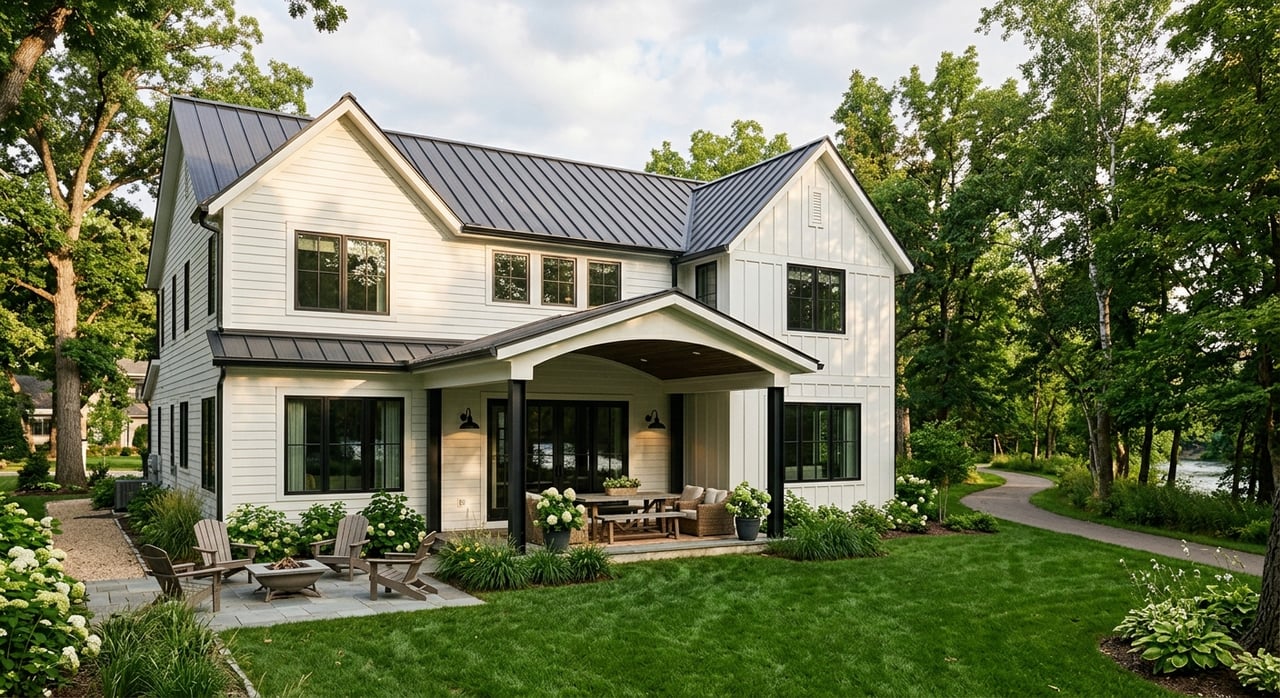
That means river-adjacent living here is not just about a view from your window. It is also about having places to walk, bike, and spend time outdoors close to home.
The city’s planning documents also call for a more continuous pedestrian and bicycle network through the river valley. Future connections include neighborhood links and trail improvements near parks like Peabody, Jones, and Pierce, along with a planned water trail for canoes and other paddled craft on the south shore with portages around the locks.
Trails Add to Daily Convenience
The Fox Trot Trail gives you a quick snapshot of how connected the area feels. It is a self-guided 2.2-mile loop with 16 stops that runs through downtown Appleton and along the Fox River, starting at Houdini Plaza and ending at Jones Park.
For everyday living, that kind of trail access can make a real difference. Whether you want a morning walk, a scenic route through downtown, or a simple way to enjoy the river without planning a full outing, the trail network supports that lifestyle.
Housing Along the River Is Varied
If you are searching for homes near the Fox River, it helps to know that there is no single housing type that defines the area. Appleton’s corridor plan points to a mix of rental and owner-occupied housing, often at mid to high density, with some buildings combining first-floor commercial space and residential units above.
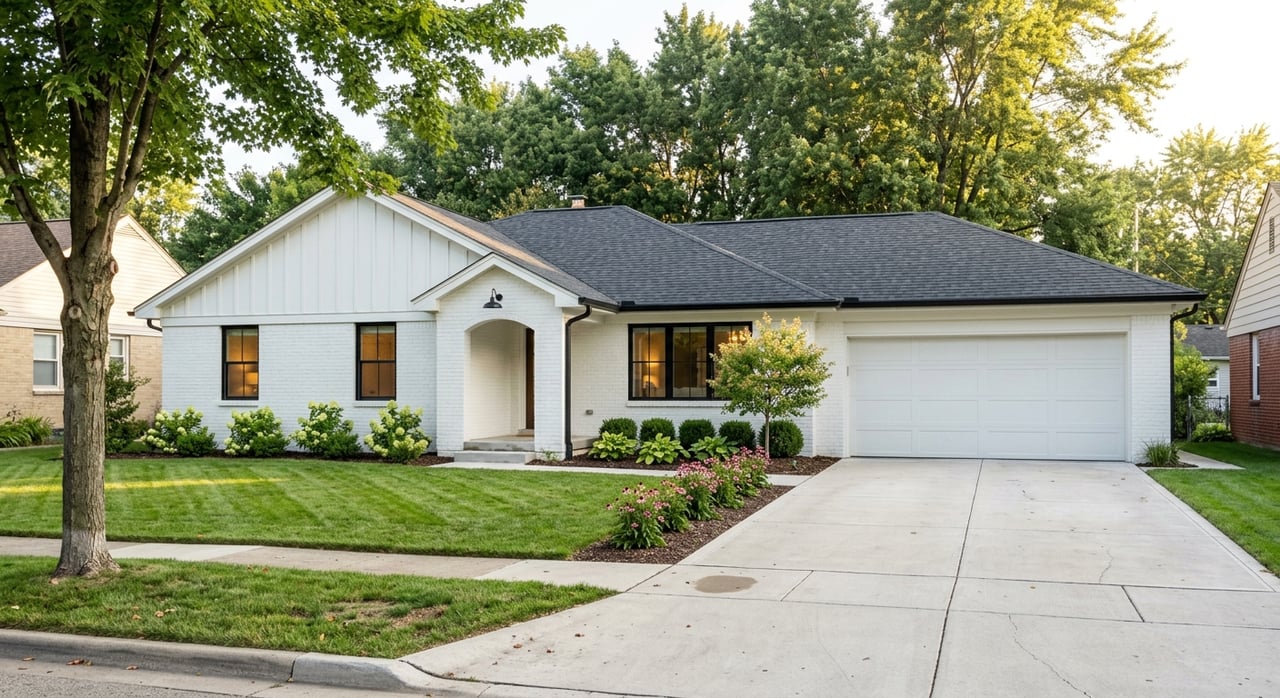
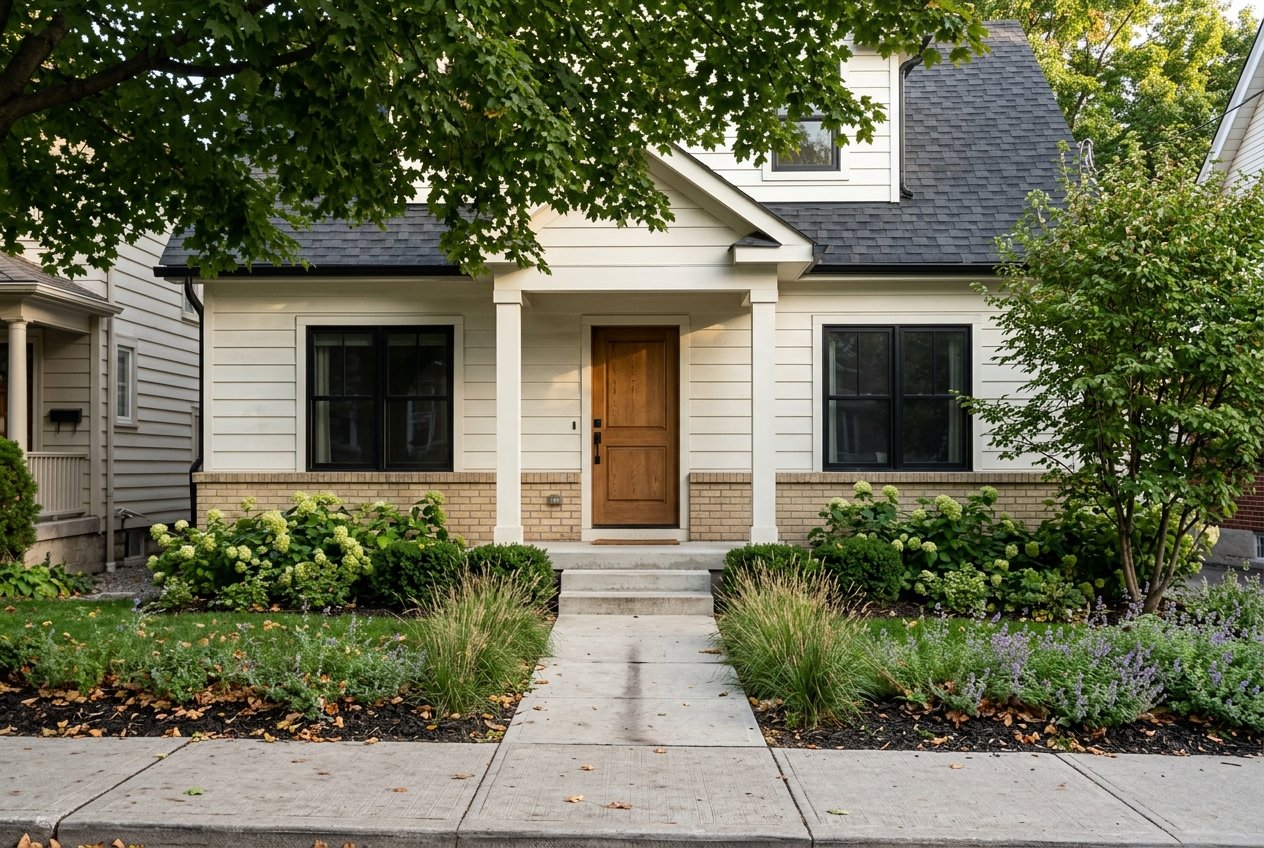
In practical terms, you may see older homes on some blocks, newer infill on others, and a mix of condos, townhomes, and mixed-use buildings nearby. Some parts of the corridor also reflect adaptive reuse, where older industrial buildings have been preserved or repurposed.
That variety is part of what makes the area distinctive. One street may feel historic, the next may feel newly updated, and another may still be evolving through redevelopment.
What Buyers Might Encounter
Depending on where you look, housing near the river may include:
- Older homes near established streets
- Newer infill residential development
- Condo or townhome options
- Mixed-use buildings with residential space above commercial uses
- Areas shaped by ongoing redevelopment
For many buyers, that means more choices in style and setting. It also means you will want to evaluate each pocket carefully rather than assume every river-adjacent block offers the same experience.
Downtown Access Is a Major Draw
For buyers who want a more connected in-town lifestyle, the Fox River corridor can be especially appealing. The area ties closely to downtown Appleton, where restaurants, small retail spaces, and mixed-use redevelopment are part of the long-term vision.
That can create a more convenient day-to-day rhythm. You may be closer to walking routes, public spaces, and downtown destinations than you would be in a more suburban part of the city.
This is often a strong fit for buyers who want city services, shorter local trips, and a setting that feels active without needing to leave Appleton for amenities. It can also be appealing for relocation buyers who want a clear sense of place right away.
Access Can Be Selective
The same river valley that gives the area its character also shapes how you get around. Appleton’s planning documents note that Memorial Drive, South Oneida Street, and College Avenue sit on the bluff top, while access down to river level typically comes through roads like Lutz Drive, Water Street, Olde Oneida Street, Lawe Street, and South River Street.
Because of the steep grades, adding new streets is difficult and expensive. As a result, access to the river corridor can feel more limited or indirect than you might expect when looking at a map.
That does not mean the area is hard to navigate. It just means your exact location can make a big difference in how quickly you reach downtown, nearby main roads, or the parts of the riverfront you expect to use most.
Transit and Seasonal Trolley Service
Most regional commuting in and around Appleton still leans car-oriented. At the same time, the downtown core has some transit support, and the free Downtown Trolley runs a complete loop of downtown and the riverfront every 30 minutes on summer service days, with departures from the Transit Center on North Morrison Street.
If you are hoping for a fully walk-everywhere lifestyle, your experience will depend on your exact address and routines. If you are comfortable blending driving with trails, parks, and some downtown transit access, the area can feel very workable.
Parking and Growth Matter Here
As redevelopment continues, parking and circulation remain part of the conversation. Appleton’s corridor plan notes that commercial growth can create parking demand that is harder to solve in the river valley because of limited space and the existing road network.
The city’s planning approach generally aims to avoid large parking lots along public streets and the river. From a lifestyle perspective, that helps protect the look and feel of the corridor, but it can also mean parking feels tighter in some areas than in more spread-out parts of the city.
For buyers, this is less about concern and more about fit. If you love a compact, active setting, that tradeoff may feel worth it. If you want easier parking and a more suburban street pattern, you may want to compare the river corridor with other Appleton locations.
Floodplain Research Is Worth Doing
When you are considering any home near the river, parcel-level research matters. Appleton’s GIS tools include an Outagamie FEMA Floodplain Viewer, along with trail, walking-route, and parks layers that can help you understand a property’s exact setting.
This is especially useful because floodplain status should be verified by parcel, not guessed based on a neighborhood name or a general impression of the area. The corridor plan also notes ongoing priorities like cleanup, shoreline stabilization, and restoring native plant communities due to the valley’s long industrial history.
That does not mean every property carries the same concerns. It means smart buyers take a property-specific approach and gather details early in the process.
Who Usually Likes This Area Most
Living along the Fox River in Appleton tends to appeal most to buyers who want a blend of outdoor access, downtown convenience, and housing variety. If you enjoy walkability, scenic routes, parks, and a mix of historic and newer surroundings, this part of Appleton can offer a lot of character.
It may be a particularly good fit if you are relocating and want an area that feels distinctly local from day one. It can also make sense if you want a condo, townhome, or lower-maintenance option near downtown rather than a larger suburban lot.
On the other hand, if your priority is a quieter large-lot setting with simpler road access and easier parking, the river valley may feel more compact than what you want. That is why seeing the area block by block is so helpful.
What to Keep in Mind Before Buying
If you are exploring homes along the Fox River, focus on the details that shape everyday life. The corridor has a lot to offer, but the experience can vary significantly depending on the street, building type, and access points nearby.
A few smart things to evaluate include:
- Distance to trails, parks, and downtown destinations you plan to use
- Whether the setting feels more active or more residential
- Your preferred housing style, such as detached home, condo, or townhome
- Parking and traffic patterns near the property
- Parcel-specific floodplain context using local mapping tools
- How easily you can reach bluff-top roads and other daily destinations
That kind of close review can help you move forward with more confidence and fewer surprises.
If you are thinking about moving to Appleton or narrowing down the right part of the city, working with someone who knows how these micro-locations differ can make the process much smoother. If you want thoughtful guidance as you compare riverfront-adjacent homes, downtown options, or relocation choices in the Fox Cities, connect with Amanda Bogenschutz.
FAQs
What is the Fox River area in Appleton like for everyday living?
- The Fox River area feels more like a narrow urban corridor than one uniform neighborhood, with a mix of active riverfront areas, downtown access, parks, trails, and quieter bluff-top residential streets.
What kinds of homes are near the Fox River in Appleton?
- Buyers may find a mix of older homes, newer infill housing, condos, townhomes, mixed-use residential buildings, and areas influenced by ongoing redevelopment.
Are there parks and trails along the Fox River in Appleton?
- Yes. The corridor includes public open spaces such as Alicia Park, Lutz Park, Pierce Park, Vulcan Heritage Park, Jones Park, Peabody Park, Veterans Park, and Telulah Park, along with trail connections including the Fox Trot Trail.
Is living along the Fox River in Appleton walkable?
- Some parts can feel quite connected, especially near downtown, trails, and parks, but walkability depends on the exact location and many residents still rely on a car for regional commuting.
What should buyers check before purchasing near the Fox River in Appleton?
- Buyers should review parcel-specific details like access routes, nearby parking conditions, trail proximity, redevelopment context, and floodplain status using Appleton’s local GIS mapping tools.
Is the Fox River area in Appleton good for relocation buyers?
- It can be a strong option for relocation buyers who want a distinct sense of place, downtown access, outdoor amenities, and a range of home styles within Appleton.