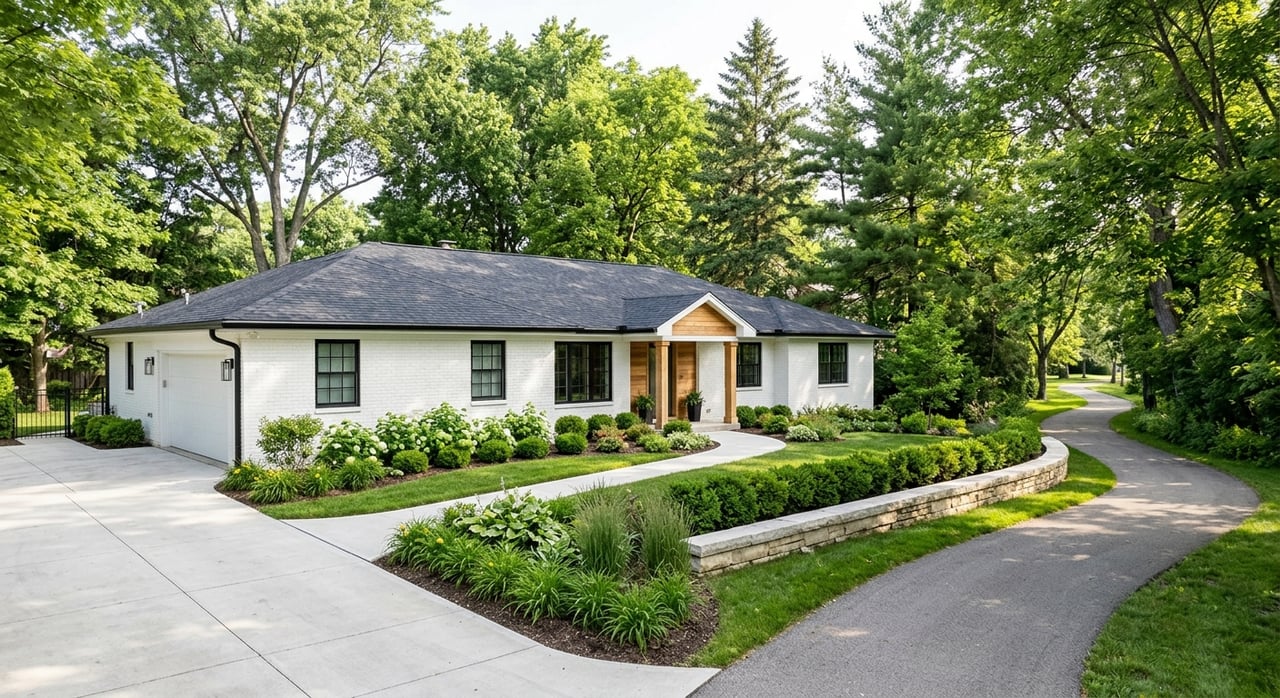
Wondering why some Appleton homes feel like a better fit for daily life than others, even when the square footage looks similar? Often, the difference is not just the house. It is what you can easily do once you step outside your door. If you are buying, selling, or relocating to Appleton, understanding how parks and trails shape nearby housing can help you focus on lifestyle, access, and long-term appeal. Let’s dive in.
Why parks and trails matter in Appleton
In Appleton, parks and trails are part of how the city plans for growth, redevelopment, and neighborhood connections. The City’s Parks and Recreation Master Plan states that parks and open space can enhance nearby property values and make the city more desirable, while also setting a goal of an interconnected park system linked by greenways and trails.
That matters because home searches are rarely just about bedrooms and bathrooms. You are also choosing your routines. A nearby trail, a quick walk to a playground, or easy access to skating, swimming, or fishing can shape how a home feels on a Tuesday afternoon, not just during a showing.
Appleton's strongest access story
Appleton’s park and trail network is not one single amenity. It is a collection of neighborhood-specific access points that support different ways of living. The strongest local story is less about a guaranteed price effect and more about how access changes convenience, recreation, and day-to-day enjoyment.
The City’s Fox River Corridor Plan is a good example. It treats the river corridor as a redevelopment area where former industrial land is being reused for public recreation along with private residential and commercial uses. The plan also calls for trails that stay close to the river where feasible, remain continuous through the city, and connect to nearby neighborhoods.
Downtown and riverfront living
If you are drawn to a more connected, car-light routine, the downtown and riverfront area stands out. This part of Appleton combines public open space, trail connections, and access to downtown destinations in a way that can make nearby housing especially appealing for buyers who want to get outside without planning their whole day around it.
Fox Trot Trail and daily walkability
The Fox Trot Trail is a roughly two-mile self-guided loop through downtown Appleton and the riverfront with 16 points of interest. One official description says it starts in Houdini Plaza and ends at Jones Park, which helps illustrate how downtown and riverfront amenities work together rather than as separate destinations.
For nearby homes and condos, that kind of connection can support simple routines like walking, biking, and spending time outdoors close to home. It can also make the area feel more usable throughout the week, not just on weekends.
Jones Park and downtown-river connections
Jones Park is a 5.8-acre neighborhood park near downtown with ADA-accessible playground equipment, a lighted walkway, hockey and ice-skating facilities, a pavilion, restrooms, drinking water, and off-street parking. Those features make it more than just open grass. It is a practical, year-round amenity with options for different ages and seasons.
Appleton’s Fox River Corridor Plan also calls for Jones Park improvements alongside the Exhibition Center to strengthen downtown-river linkages and create a stronger downtown neighborhood. For buyers, that supports the idea that this area is not just centrally located. It is intentionally being connected and improved over time.
Lutz Park and river access points
Lutz Park adds another layer to the riverfront picture. It includes a boat launch, ADA kayak launch, shoreline and bridge fishing, restrooms, and a playground.
That said, river access is not the same as river proximity in Appleton. The Fox River corridor includes steep bluffs and relatively few direct access points, so what matters most is whether a home truly connects to the river or trail network, not just whether it looks close on a map.
North-side parks shape a different lifestyle
Not every buyer wants a downtown feel. On the north side, larger parks create a different housing story centered on activity hubs, open space, and seasonal recreation.
Erb Park and active recreation
Erb Park offers an outdoor pool, tennis courts, basketball, volleyball, and a covered pavilion. For nearby homeowners, that can mean easier access to warm-weather recreation and a park that supports both quick visits and longer afternoons outside.
When you are comparing homes, this kind of amenity can influence how often you actually use your neighborhood. A park with multiple activity options often becomes part of your regular routine, especially in summer.
Appleton Memorial Park and year-round use
Appleton Memorial Park is a 139-acre north-side park with baseball and softball fields, tennis, soccer fields, an open ice rink, a sledding hill, a fishing pond, and an archery range. Its scale and range of amenities make it one of the city’s bigger recreation anchors.
For nearby housing, the draw is variety. Instead of one feature, you get a park that supports movement and recreation across multiple seasons, which can be a major quality-of-life factor when you are deciding between neighborhoods.
Destination parks broaden housing appeal
Some parks influence housing appeal even if they are not right outside your door. In Appleton, larger destination-style recreation areas expand what buyers may consider convenient access.
Plamann Park and Bubolz Nature Preserve
Plamann Park offers 3 miles of trails, a beach, swimming, and disc golf. Bubolz Nature Preserve adds 8.5 miles of trails for walking, hiking, snowshoeing, and cross-country skiing.
Together, these amenities broaden the appeal of homes that offer easy drives or bike connections to larger outdoor spaces. If your ideal routine includes trail time, seasonal recreation, or flexible weekend options, these places can shape how you define a well-located home.
Regional trails add another layer
Appleton’s local trail network also connects to a bigger regional picture. ECWRPC describes local trail segments as critical linkages in a regional bicycle and pedestrian system, which gives added context to why trail access matters in home searches.
Loop the Locks is a 13.1-mile continuous trail connecting Appleton with Kimberly, Little Chute, Kaukauna, and Combined Locks. For some buyers, that kind of extended connection adds value in a practical way. It creates more options for biking, walking, and exploring beyond a single neighborhood.
What this means for buyers
If you are buying in Appleton, parks and trails should be part of your location checklist, but not in a generic way. Instead of asking whether a home is “near a park,” ask how that park or trail would fit your real life.
A smart comparison might include questions like these:
- Can you walk or bike there comfortably?
- Does the route feel direct and connected?
- Is the amenity something you would use weekly or only occasionally?
- Does it offer year-round use or mostly seasonal use?
- Are you looking for a downtown-riverfront lifestyle or a larger activity-hub setting?
In Appleton, route quality matters. Because the river corridor has limited direct access in some places, a home that appears close to the river may not offer the same everyday usability as one with a clear trail or park connection.
What this means for sellers
If you are selling a home near one of these amenities, your location story deserves more detail than “close to parks.” Buyers respond better when they can picture how the home supports their routines.
That might mean highlighting access to the Fox Trot Trail and downtown destinations, proximity to Jones Park’s year-round features, or convenience to larger recreation hubs like Memorial Park or Plamann Park. The key is to describe the lifestyle accurately and specifically, without overpromising a value premium that depends on context.
A practical way to evaluate true access
Appleton’s planning documents make an important point: connected systems matter. The city’s Fox River Corridor Plan emphasizes bicycle and pedestrian facilities, continuity, and neighborhood connections rather than simply adding new streets.
So when you are weighing homes, look beyond straight-line distance. A property with an easy, comfortable route to parks or trails may support your lifestyle better than one that is technically closer but less connected in practice.
The bigger housing takeaway
Appleton parks and trails shape nearby housing by influencing how a home lives day to day. Downtown and riverfront areas support walkability and shorter trips to public spaces. North-side and destination parks support activity, recreation, and seasonal variety. Regional trails expand the sense of connection even further.
That is why these amenities matter in a home search. They help you picture not just where you will live, but how you will live there. If you want help weighing Appleton neighborhoods, comparing access points, or finding a home that fits your routine, Amanda Bogenschutz is here to help.
FAQs
How do Appleton parks affect nearby housing choices?
- Appleton parks can shape housing choices by influencing daily routines, outdoor access, and neighborhood convenience. The city’s planning documents also state that parks and open space can enhance nearby property values and make the city more desirable, but the effect varies by location and park type.
Which Appleton parks matter most when buying a home?
- That depends on the lifestyle you want. Jones Park, Lutz Park, and the Fox Trot Trail are especially relevant for downtown and riverfront living, while Erb Park, Appleton Memorial Park, Plamann Park, and Bubolz Nature Preserve may matter more if you want larger recreation areas and seasonal variety.
Does living near the Fox River in Appleton mean easy river access?
- Not always. Appleton’s Fox River corridor has steep bluffs and relatively few direct access points, so true access depends more on trail links, wayfinding, and practical routes than simple map distance.
What should Appleton homebuyers look for beyond park proximity?
- Appleton homebuyers should look at route quality, trail continuity, walkability, and whether the amenity matches their routine. A home with a comfortable, connected route to a park or trail may feel more useful than one that is only close in a straight line.
How can Appleton sellers market homes near parks and trails?
- Appleton sellers can market homes near parks and trails by focusing on real lifestyle benefits such as walkability, recreation access, and seasonal use. Specific, accurate details about nearby amenities usually help buyers understand the location better than broad claims alone.